News

Visit to McGill and CHU Sainte-Justine in Montreal

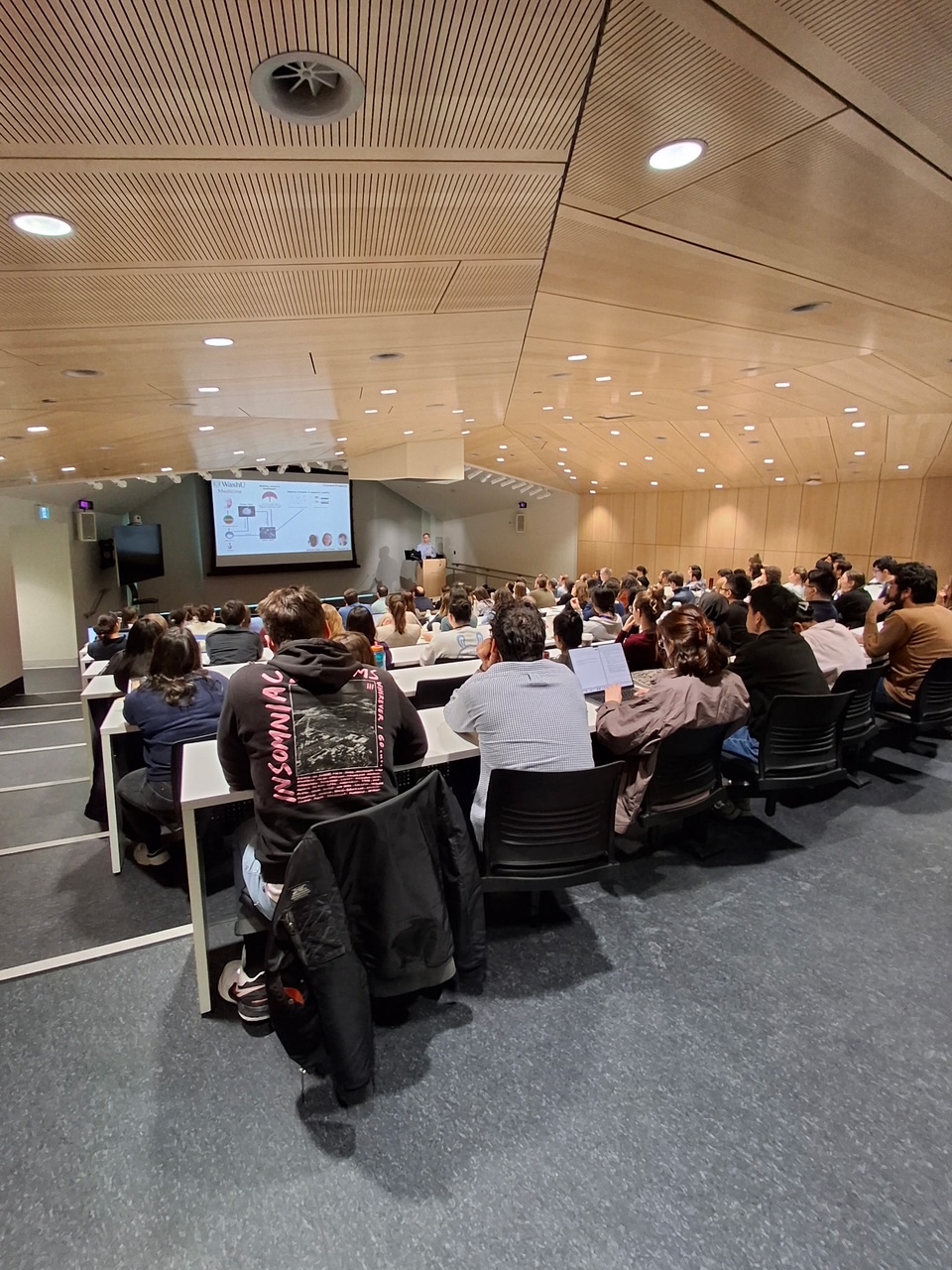
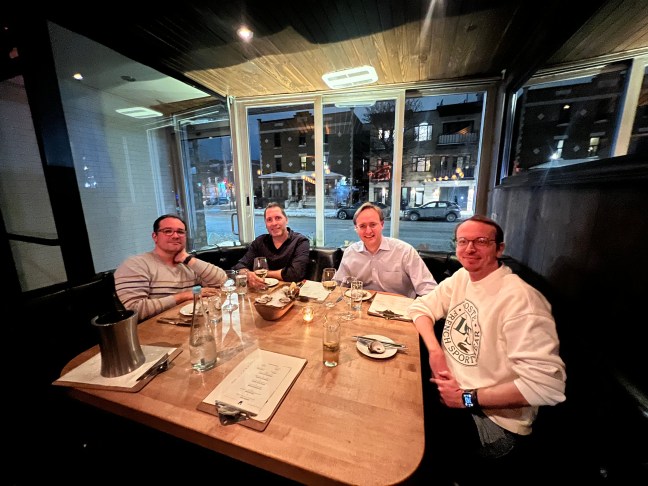
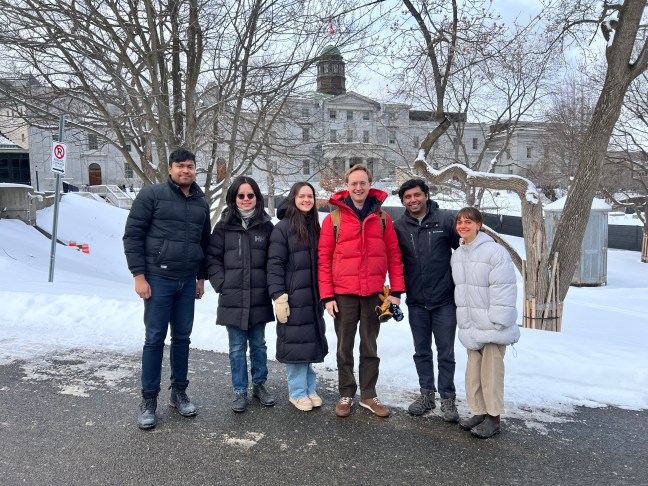
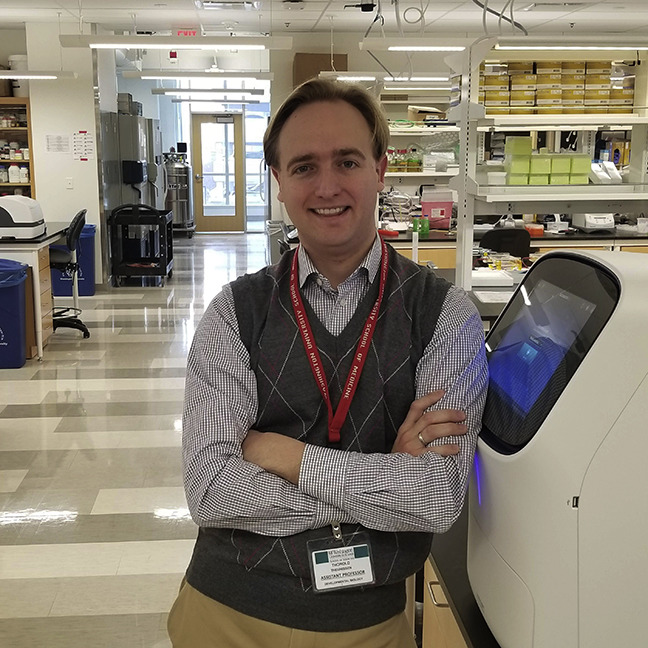
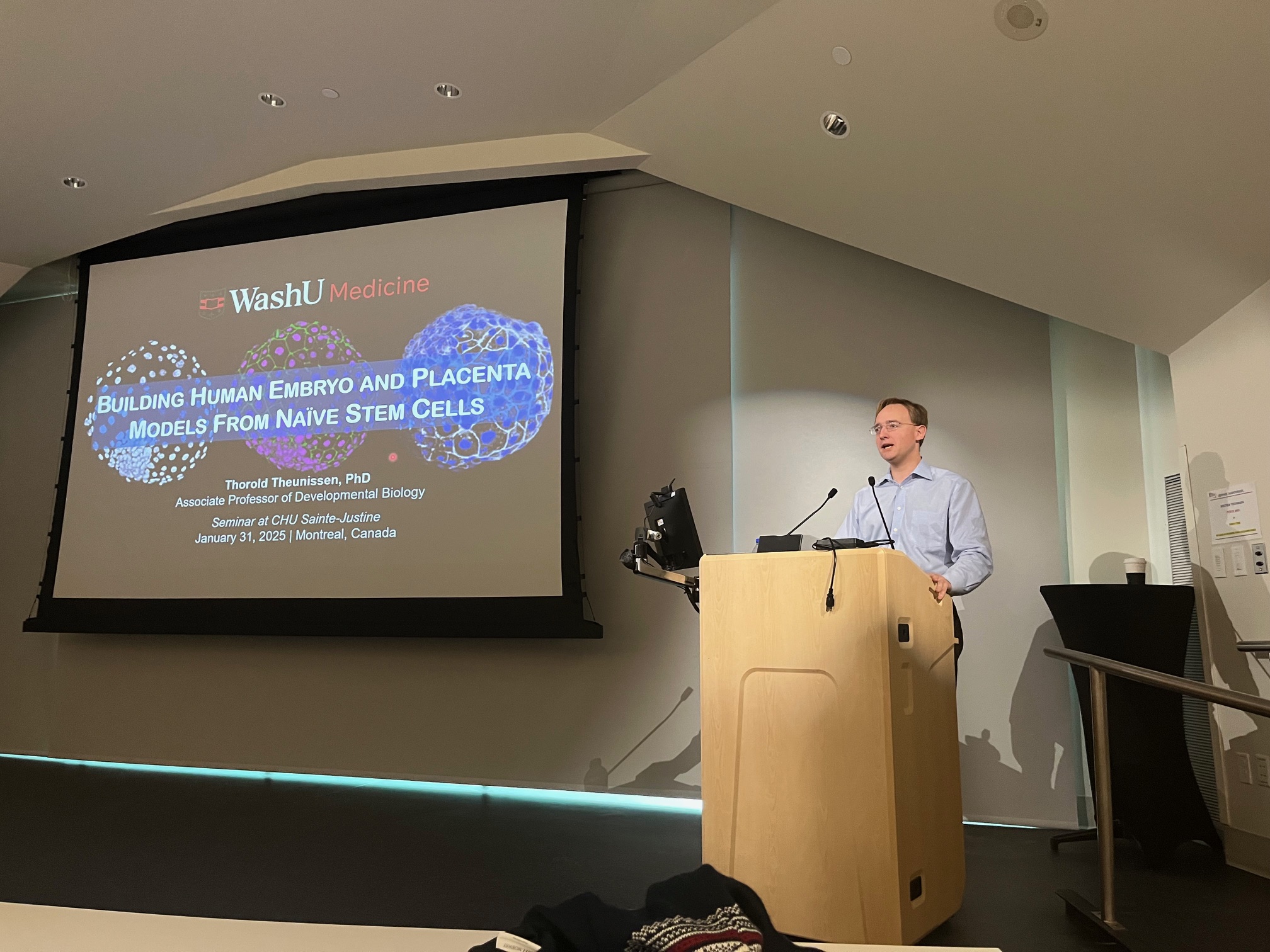
Thor visited snowy Montreal January 29-31, 2025, to present our latest work at two world-class institutions. Thanks, Will Pastor, for hosting me at McGill Biochemistry and Serge McGraw for hosting me at CHU Sainte-Justine. It was inspiring to see the exciting stem cell research being done in Quebec. Je vous remercie de m’avoir invité!

Seminar at CHU Sainte-Justine:

Dinner with Alex Dubrac, Serge McGraw, and Anthony Flamier (a fellow Jaenisch lab alum):

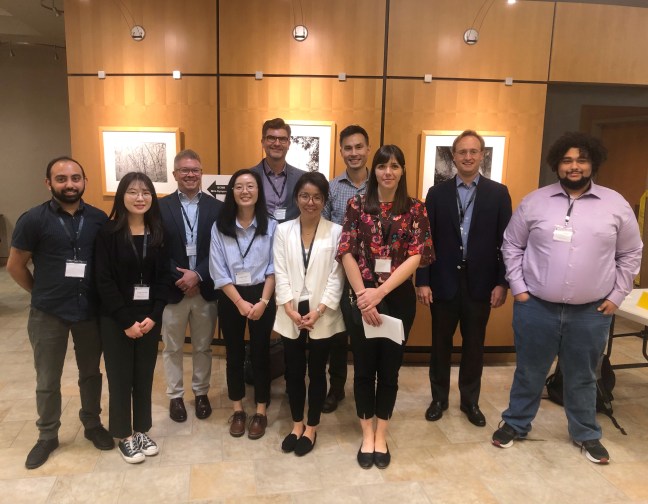
Group photo with the Pastor lab (sans Will):

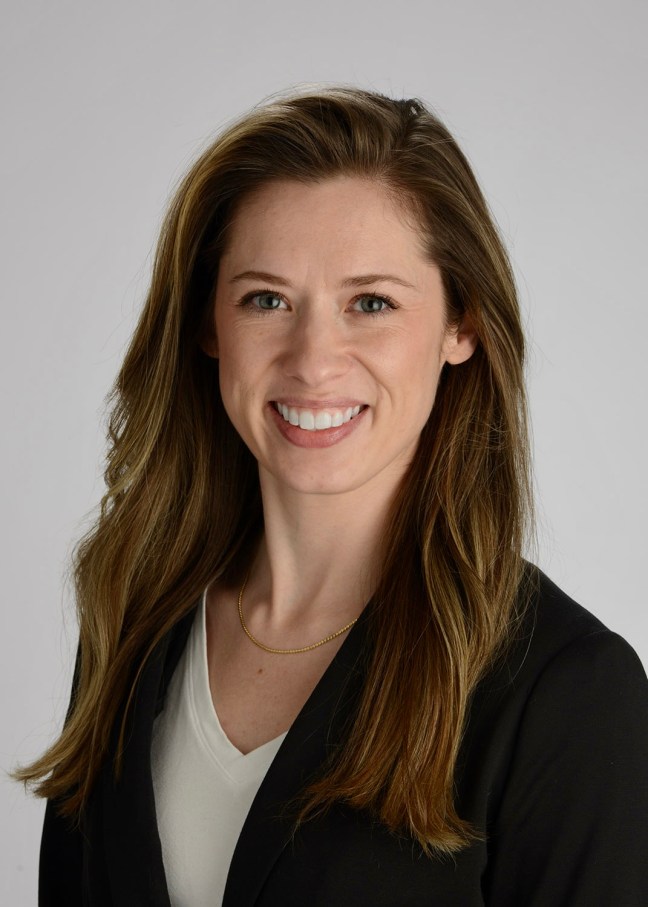
Welcoming our new postdoc: Dr. Regan Scott

Thor Theunissen receives NIH Outstanding Investigator Award (R35)

Thor was awarded an Outstanding Investigator Award (R35) from the National Institute of General Medical Sciences (NIGMS) to resolve epigenetic instability during human pluripotent state transitions. The R35 award provides long term support to an experienced investigator with an outstanding record of research productivity. This support is intended to encourage investigators to embark on long-term projects of unusual potential.

Thank you, NIGMS, for your continued support of our research program!

Keystone Symposium on Stem Cell Models for Embryology

Thor will present our latest advances on building human embryo and placenta models from naive pluripotent stem cells at the Keystone Symposium on Stem Cell Models for Embryology organized by Aryeh Warmflash and Magdalena Zernicka-Goetz in Pacific Grove, California, from February 7th-8th, 2024. More information about the meeting can be found here.

Spontaneous blastoids formed from naive human pluripotent stem cells

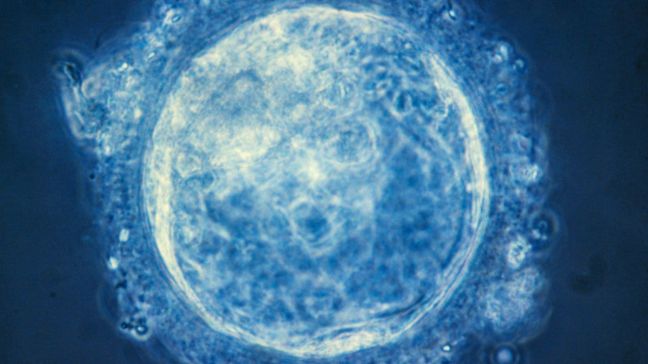
A fascinating new study by Jose Silva (Thor’s former PhD advisor in Cambridge) and his team at Guangzhou Laboratory reports on the remarkable ability of naive human pluripotent stem cells to spontaneously form blastocyst-like structures (“blastoids”) in 3D suspension culture. These spontaneous blastoids mimic early-stage human blastocysts in terms of structure, size, and transcriptome characteristics and are capable of progressing to post-implantation stages on appropriate matrices, taking advantage of the recent methodology developed by Rowan Karvas and her colleagues in the Theunissen lab. This spontaneous blastoid potential of naive stem cells property is conferred by the glycogen synthase kinase-3 signalling inhibitor IM-12 present in 5iLAF self-renewing naive medium. IM-12 upregulates oxidative phosphorylation-associated genes that underly the capacity of naive stem cells to generate blastoids spontaneously. Starting from day one of self-organization, naive stem cells at the boundary of all 3D aggregates dedifferentiate into E5 embryo-like intermediates. Intermediates co-express SOX2/OCT4 and GATA6 and by day 3 specify trophoblast fate, which coincides with cavitation and blastoid formation. In summary, spontaneous blastoid formation results from 3D culture triggering dedifferentiation of naive stem cells into earlier embryo-like intermediates which are then competent to segregate blastocyst fates. Check out the paper in Nature Communications!

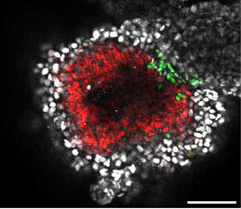
The featured image shows an example of a TBXT-positive primitive streak-like structure in spontaneous blastoids maintained on an optimized 3D matrix until D14 (courtesy of the Silva lab). SOX2 is indicated in red, TBXT in green, and GATA3 in grey.

Thor joins Cell Stem Cell’s Advisory Board

Thor has joined the Advisory Board of Cell Stem Cell, a broad-spectrum journal that covers the entire spectrum of stem cell biology.

Cell Stem Cell publishes research reports describing novel results of unusual significance in all areas of stem cell research. Each issue also contains a wide variety of review and analysis articles covering topics relevant to stem cell research ranging from basic biological advances to ethical, policy, and funding issues.

As a member of the Advisory Board, Thor will advise the in-house editorial team on journal content and help shape the next phase of the journal’s growth.      

3D-cultured blastoids model human embryogenesis from pre-implantation to early gastrulation stages

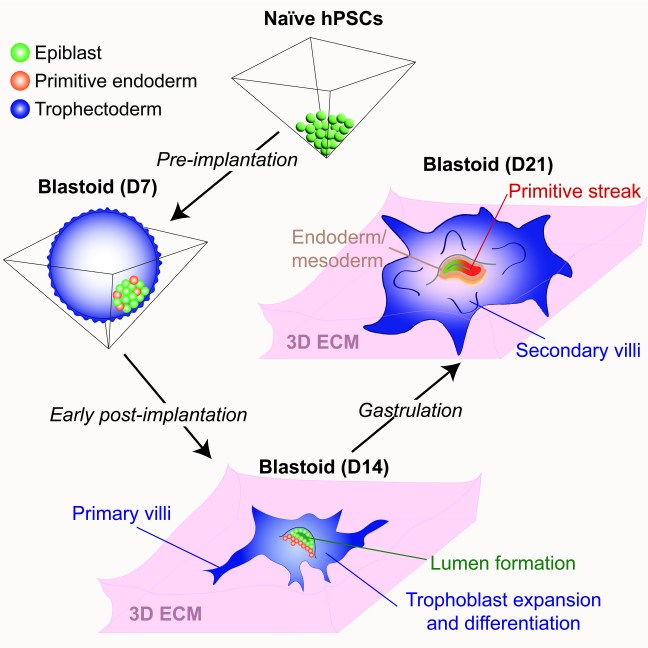
Our paper on extended human blastoid culture was published today in Cell Stem Cell. In a transformative advance, several groups have reported that naive human pluripotent stem cells (hPSCs) can form blastocyst-like structures (also known as “blastoids”) that model the human pre-implantation embryo. However, the extent to which blastoids can recapitulate defining features of post-implantation development remained unexplored. In this study, we optimized the conditions for blastoid generation from naïve hPSCs and investigated their capacity for extended culture on thick 3D extracellular matrices, which better mimic the physical environment of the human endometrium compared to flat surfaces. We developed an experimental methodology that supports human blastoid culture for up to day 21 (D21), including the formation of complex embryonic and placental structures. By performing a detailed single cell transcriptome analysis at three distinct time points (D7, D14, and D21), we benchmarked our model system to human embryos at pre-implantation, early post-implantation, and early gastrulation stages.

3D-cultured human blastoids display several molecular and morphogenetic hallmarks of early post-implantation development, including lumenogenesis of the epiblast compartment, rapid expansion and diversification of trophoblast lineages, and robust invasion of extravillous trophoblast cells by D14. Extended blastoid culture resulted in the formation of a primitive streak-like structure, as evidenced by the localized activation of TBXT (Brachyury) by D18. Blastoids maintained until D21 acquired a single cell transcriptome profile that closely resembled that of a gastrulating human embryo analyzed at Carnegie Stage 7. This included the emergence of blastoid primordial germ cells, definitive endoderm, and various mesodermal lineages, and a diverse array of extraembryonic cell types, including blastoid amnion, cytotrophoblast, extravillous trophoblast, extraembryonic mesoderm, syncytiotrophoblast, and yolk sac endoderm. Thus, the 3D-cultured human blastoids described herein model embryonic and extraembryonic development from pre-implantation to early gastrulation stages, offering a continuous and integrated in vitro model system of early embryogenesis.

Congratulations to Rowan, our collaborators in the Dietmann and Zhou labs, and the entire team!

Note: The generation of integrated models of human development in our laboratory is entirely supported by private foundation grants and does not involve federal funding from the National Institutes of Health.

New arrivals

We recently welcomed two new graduate students to our lab:

Kyoung Park earned a Master of Science in Biology from Yonsei University, South Korea, and previously served as a Research Technician in our lab from 2018 to 2022. She played a key role in starting the lab and collaborated closely with Dr. Jianlong Wang’s lab at Columbia University on the OCT4 protein interaction network in naive and primed hPSCs, identifying pluripotent-state-specific interactions with distinct subunits of the BAF chromatin remodeling complex. She enrolled in the Developmental, Regenerative, and Stem Cell Biology Program in 2022 and re-joined our lab as a graduate student in March 2023.

Richard Yin is a member of the Developmental, Regenerative, and Stem Cell Biology Program and joined the Theunissen lab in August 2023. He earned his B.S. from the University of Toronto in 2022. He started his research journey as a volunteer in Dr. Phedias Diamandis’ lab, studying potential therapeutic targets in glioblastoma tumour microenvironments. As an undergraduate researcher under Dr. Jennifer A. Mitchell, he investigated the evolutionary role of human-specific KLF4 enhancer candidates in pluripotent stem cells. His passion for stem cell research led him to pursue a Ph.D. at WashU. Outside the lab, he enjoys cooking, rock-climbing, gaming, and movies.

Welcome Richard and welcome back Kyoung!

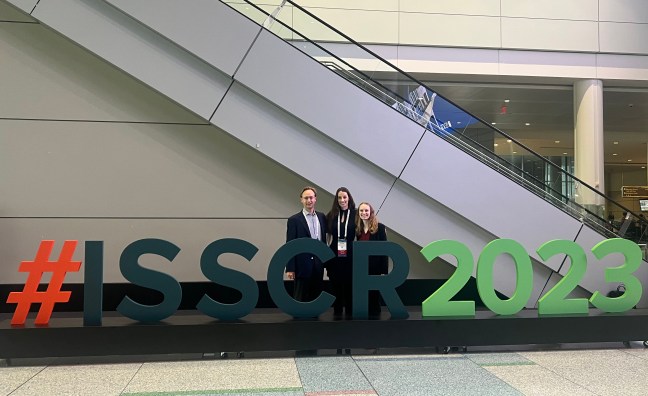
ISSCR 2023 Annual Meeting

The Theunissen Lab attended the 2023 Annual Meeting of the International Society of Stem Cell Research (ISSCR) in Boston. Rowan presented our exciting recent studies on 3D-cultured human blastoids in the Concurrent Session on “Engineering Models of Human Embryology” and was the recipient of both an ISSCR Travel Award and a Merit Abstract Reward. Congratulations Rowan!

SRI meeting in Brisbane, Australia

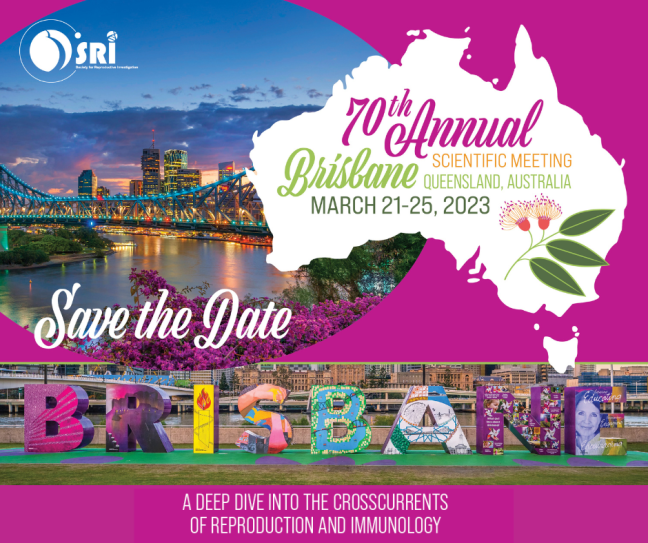
Thor spoke at the 70th Annual Meeting of the Society of Reproductive Investigation in Brisbane, Australia, from March 21-25, 2023. He presented our latest studies on stem-cell-based models of human placental development in the Concurrent Mini-Symposium entitled “Studying the Maternal-Fetal Interface Using Stem Cells and Organoids.” Thanks to the organizers for the kind invitation to participate in this fantastic event!

Honors for Laura Fischer and Shafqat Khan

Two of our lab members were recognized with awards at the Department of Developmental Biology’s Annual Holiday Party on Tuesday, December 13th, 2022. The honorees are:

  • Laura Fischer was recognized with the 2022-2023 Douglas Covey Graduate Fellowship. This fellowship is made possible by scientific discoveries by Professor Covey and his trainees in the area of neurosteroid medicinal chemistry that led to development of clinically valuable anti-convulsants, anti-depressants, and surgical sedatives.  

  • Shafqat Khan received a Postdoctoral Fellow Seed of Independence Research Grant. The intent for these grants is to provide support for postdoctoral fellows who are developing an innovative project that could provide a platform for their independent research career. 

Congratulations to Laura and Shafqat and looking forward to exciting discoveries!

Visit to University of Colorado Boulder

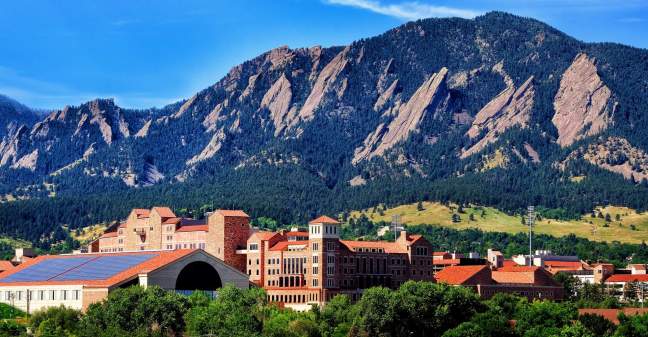
Thor visited the Department of Molecular, Cellular, and Developmental Biology at CU Boulder on Thursday, November 17. He gave a seminar on human pluripotent stem cell states and the genetic regulation of human trophoblast stem cells. He also met with faculty in the Department of Biochemistry and the BioFrontiers Institute. Thanks again Justin Brumbaugh for your kind invitation to visit this beautiful campus!

Thor to serve on Stem Cell Reports Early Career Editorial Board

Thor is one of 10 early career scientists selected to serve on the first Stem Cell Reports Early Career Editorial Board (ECEB). Stem Cell Reports is the peer-reviewed, open access, online journal of the International Society for Stem Cell Research (ISSCR).

Throughout the next two years, the members of the ECEB will work alongside the journal’s associate editors to receive mentorship, attend the annual editorial board meeting, advise on journal content and programming, and broaden outreach as ambassadors to the Stem Cell Reports. The society selected the ECEB members through a competitive application process based on merit and diversity.

More information about the ECEB and its members can be found on the ISSCR website.

Developmental Biology Retreat

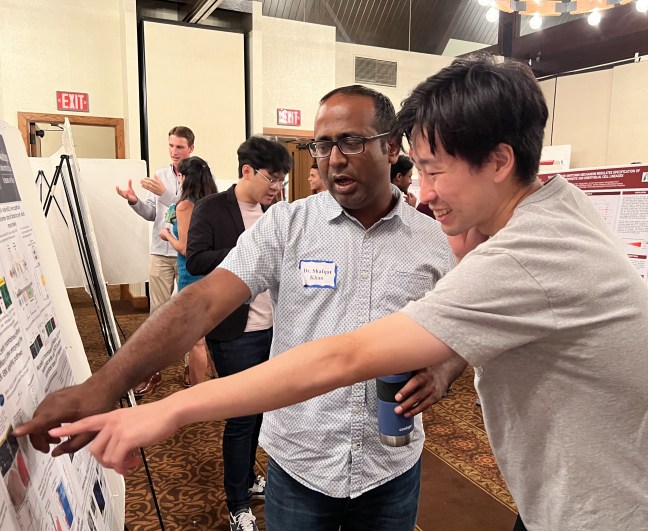
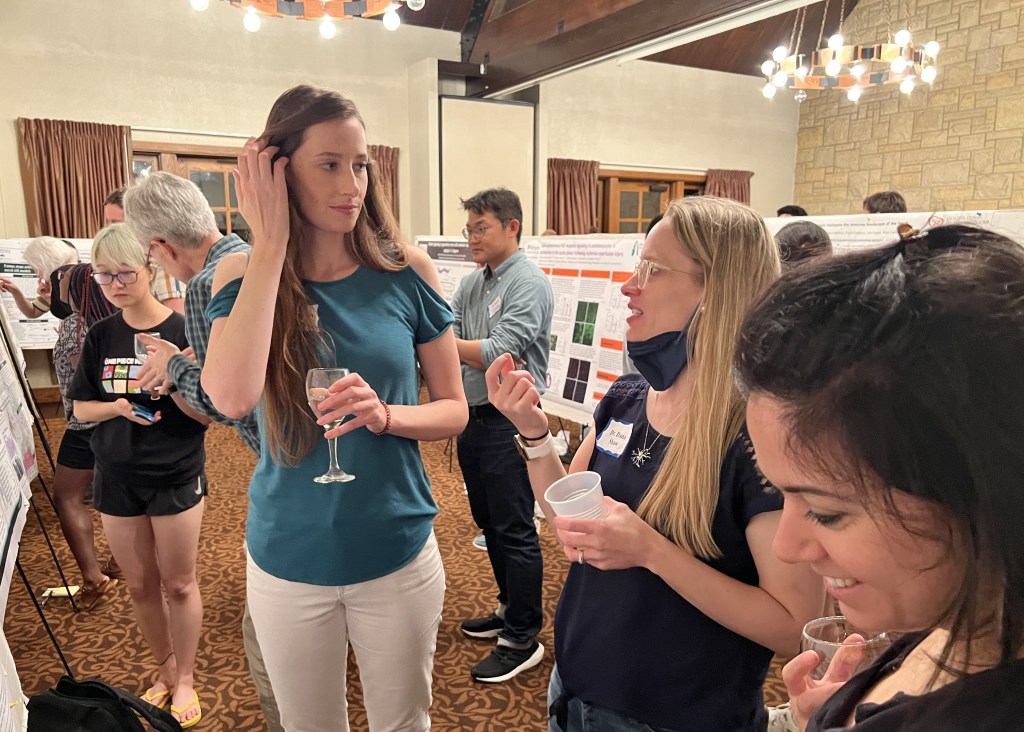
The Theunissen Lab attended the 4th Annual Joint Retreat of the Developmental, Regenerative, and Stem Cell Biology (DRSCB) Program, the Department of Developmental Biology, and the Center of Regenerative Medicine at Pere Marquette Lodge (September 6-7, 2022). Our postdocs Shafqat Khan and Rowan Karvas gave poster presentations. Exciting to share our latest work with our colleagues!

New arrivals

We recently welcomed two new members to our team: Brittany Meyer and Joey Zemke.

Brittany received her Bachelor of Science in Biology from Eastern Illinois University. She also received her Master of Science in Biology from Eastern Illinois University in 2019. She joined the Theunissen lab in August of 2022 as a Research Technician II. She previously worked as an Adjunct Biology instructor at Lake Land Community College in Mattoon, IL. Brittany is interested in researching stem cells and their applications in disease therapy and regenerative medicine. Brittany is an active member of the American Chemical Society and is a Women in STEM Mentor. Outside the lab, she spends time with her husband, daughter, and two huskies. In her free time, she loves to read!

Joey graduated from the University of Washington in 2019 with a degree in Biology. While at UW, they studied resource allocation in Brassica rapa and lateral root development in Arabidopsis thaliana in the laboratory of Professor Jennifer Nemhauser as both an undergraduate researcher and laboratory technician. The idea of plant cell plasticity and regenerative capacity lead them to pursue a PhD in the Developmental, Regenerative, and Stem Cell Biology program at Washington University School of Medicine in St. Louis. Joey joined the Theunissen lab in April of 2022. They are interested in stem cell pluripotency and using stem cells to create models of disease and early human development.

Recent departures

The Theunissen lab recently said goodbye to three lab members: Kyoung Mi Park, Chen Dong, and Brian Chew.

Kyoung served as Research Technician and subsequently as Senior Research Technician in the Theunissen lab from 2018 to 2022. She played a major role in starting the lab and contributed to our studies on naive pluripotency and trophoblast differentiation. She also collaborated closely with Dr. Jianlong Wang’s lab at Columbia University on the OCT4 protein interaction network in naive and primed hPSCs, identifying pluripotent-state-specific interactions with distinct subunits of the BAF chromatin remodeling complex. In 2022 Kyoung joined the Developmental, Regenerative, and Stem Cell Biology (DRSCB) PhD Program at WashU.

Chen was a graduate student in the Developmental, Regenerative, and Stem Cell Biology (DRSCB) Program from 2018 to 2022. His PhD thesis was focused on methods for deriving human trophoblast stem cells (hTSCs) and specialized trophoblast cell types from naive hPSCs. He also performed a genome-wide CRISPR screen in collaboration with Bo Zhang’s lab at WashU, identifying essential and growth-restricting genes in hTSCs. Chen holds the distinction of being the first student to graduate from our lab. In 2022 he joined the Boston Consulting Group as a Consultant.

Brian was a Research Technician in the Theunissen lab from 2020 to 2022. He contributed to our studies on naive pluripotency, working closely with Shafqat Khan, and 2D and 3D models of trophoblast development, working under supervision of Chen Dong and Rowan Karvas. In 2022 Brian joined the Interdisciplinary Biomedical Graduate Program at the University of Pittsburgh.
We thank them for the contributions and wish them all the best with their future endeavors!

A genome-wide CRISPR-Cas9 screen in human trophoblast stem cells

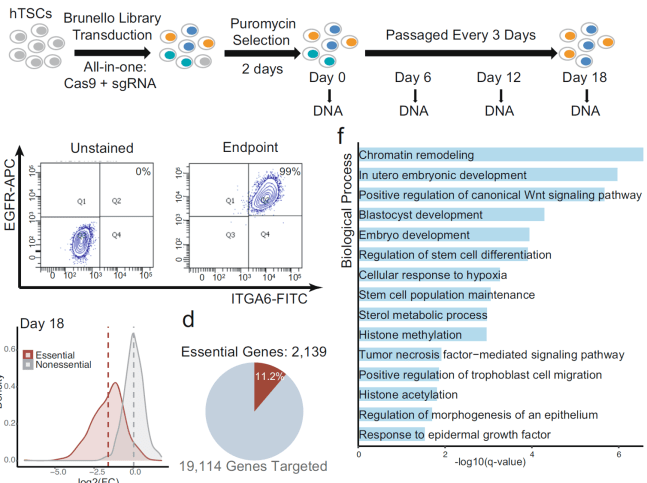
Our study describing a genome-wide CRISPR-Cas9 knockout screen for essential and growth-restricting genes in human trophoblast stem cells (hTSCs) was published in Nature Communications today. By cross-referencing our results to those from similar genetic screens performed in other cell types, as well as gene expression data from early human embryos, we define hTSC-specific and -enriched regulators. These include both well-established and previously uncharacterized trophoblast regulators. Integrated analysis of chromatin accessibility, gene expression, and genome-wide location data reveals that the hTSC-specific essential transcription factor TEAD1 regulates the expression of many trophoblast regulators in hTSCs. In the absence of TEAD1, hTSCs fail to complete faithful differentiation into extravillous trophoblast (EVT) cells and instead show a bias towards syncytiotrophoblast (STB) differentiation. Overall, our study provides a valuable resource for dissecting the molecular regulation of human placental development and pregnancy-related diseases. Congratulations to Chen Dong, who spearheaded this project in collaboration with Shuhua Fu in Bo Zhang’s lab at WashU, and all other contributors!
Paper on stem-cell-derived trophoblast organoids

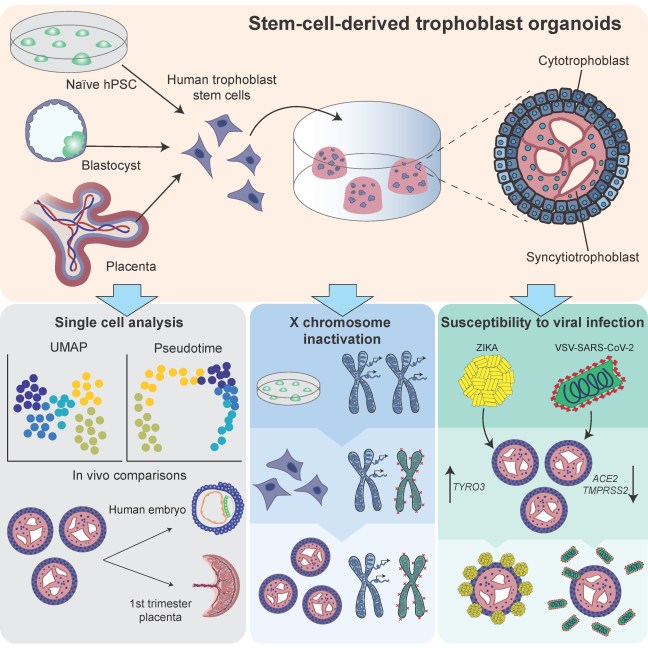
Our paper on stem-cell-derived trophoblast organoids (SC-TOs) was published in Cell Stem Cell today. In this work we describe a methodology for deriving self-renewing 3D trophoblast organoids from naive human pluripotent stem cells (hPSCs). Using single cell transcriptome analysis, we demonstrate that these organoids contain diverse trophoblast progenitor and specialized cell types that closely correspond to trophoblast identities in the post-implantation embryo. These organoid cultures also model placental X inactivation dynamics and selective vulnerability to emerging pathogens (SARS-CoV-2 and Zika virus). Big congrats to all members of the team, especially Rowan Karvas, and our collaborators Indira Mysorekar, Sabine Dietmann, Jacco Boon, and Liang Ma!

Chen Dong defends PhD thesis

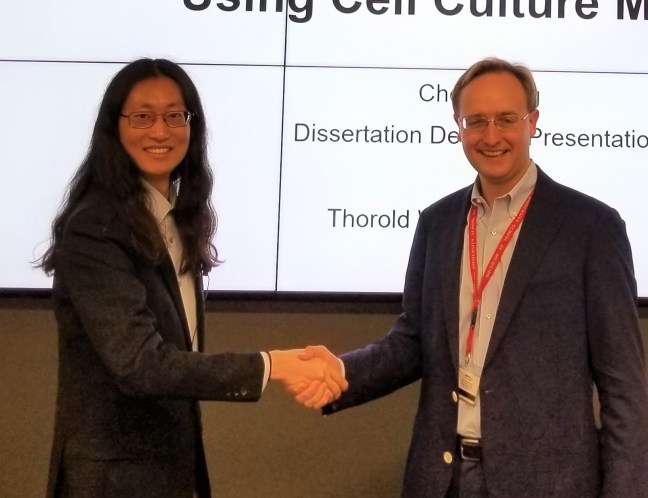
Chen Dong successfully defended his PhD thesis, entitled “Investigating the specification and regulation of the human trophoblast lineage using cell culture models” on Friday, April 29th, 2022. Chen pioneered our efforts to derive human trophoblast stem cells (hTSCs) from naive pluripotent stem cells and performed a genome-wide CRISPR screen that identified essential and growth-restricting genes in hTSCs. He’s also the first PhD student to graduate from the Theunissen Lab. Congratulations Dr. Dong!

Rowan Karvas wins Poster Award at SSR Annual Meeting

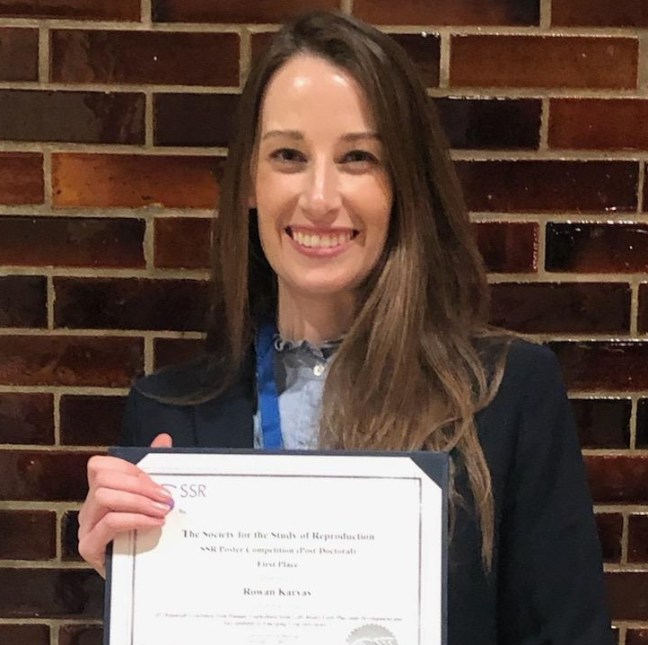
Dr. Rowan Karvas won first place in the poster competition for postdoctoral trainees at the Annual Meeting of the Society for the Study of Reproduction in St. Louis, MO, for her poster entitled “3D organoids generated from human trophoblast stem cells model early placental development and susceptibility to emerging viral infections“. Well done Rowan!

OCT4 cooperates with distinct ATP-dependent chromatin remodelers in naïve and primed pluripotent states in human

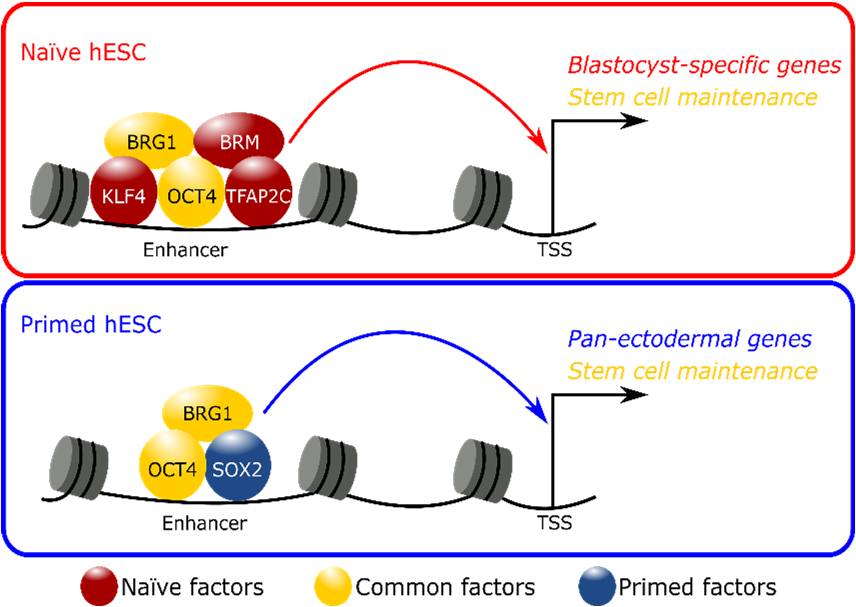
Our paper mapping the interactomes of the master transcription factor OCT4 in naive and primed human embryonic stem cells (hESCs) was published today in Nature Communications. We report that OCT4 cooperates with cell state-specific chromatin modifiers in naive and primed hESCs to promote an open chromatin architecture at blastocyst-associated and pan-ectodermal genes, respectively. This work was a collaboration between our team at WashU, Xin Huang and Jianlong Wang at Columbia University, Cigall Kadoch at the Dana-Farber Cancer Institute, and Rudolf Jaenisch at the Whitehead Institute. The WashU team was spearheaded by Kyoung-mi Park in the Theunissen lab in collaboration with the labs of Bo Zhang, Sabine Dietmann, and Ting Wang.

Virtual Presentations at the ISSCR 2021 Annual Meeting

Chen Dong will present his work on a CRISPR-Cas9 knockout screen to identify essential and growth-restricting genes in human trophoblast stem cells in the concurrent session on Comparative Early Development. In addition, Rowan Karvas will present her work on 3D organoids generated from human trophoblast stem cells in the concurrent session on Complex 3D Systems for Therapy and Drug Discovery. Congrats Chen and Rowan!

Probing the signaling requirements for naive human pluripotency

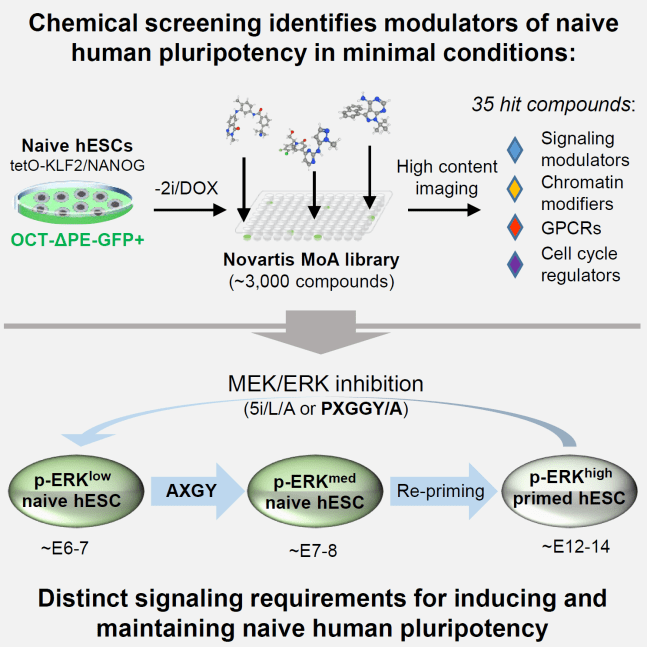
Our paper investigating the signaling requirements for naive human pluripotency by high-throughput chemical screening was published today in Cell Reports. We report that naive hESCs can be maintained by blocking distinct nodes in the FGF signaling pathway and that dual MEK/ERK inhibition promotes efficient primed-to-naive resetting in combination with Activin A. This study was a collaboration between Washington University School of Medicine, the Novartis Institutes for Biomedical Research, and the Whitehead Institute for Biomedical Research

Laura Fischer receives NSF GRFP honorable mention

Laura Fischer, a second-year Ph.D. student in the Theunissen lab, has received an honorable mention from the National Science Foundation’s (NSF) 2020 Graduate Research Fellowship Program (GRFP).

The program recognizes and supports outstanding graduate students in NSF-supported science, technology, engineering, and mathematics disciplines who are pursuing research-based master’s and doctoral degrees at accredited United States institutions.

Kudos to Laura. We’re looking forward to your exciting studies!

Trophoblast stem cells derived from naive human stem cells

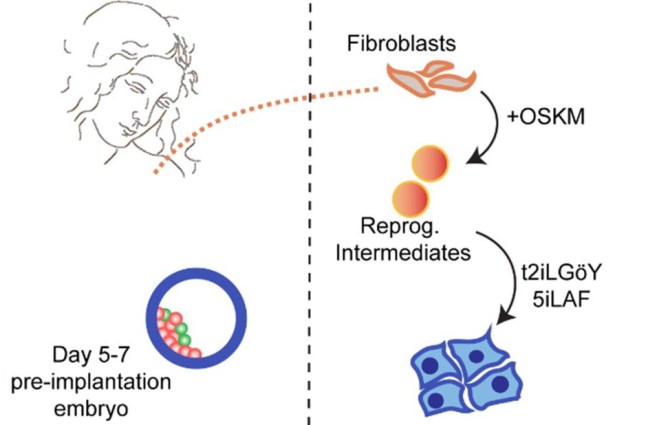
Our paper examining the trophoblast potential of distinct human stem cell states was published today in eLife. We report that naive, but not primed, human pluripotent stem cells (hPSC) can directly differentiate into trophoblast stem cells (TSC). The derivation of TSCs from naïve hPSCs presents a new model system to elucidate early mechanisms  governing placental development and associated pathologies. This study was a collaboration with the Solnica-Krezel, Wang and Kommagani labs at Washington University.

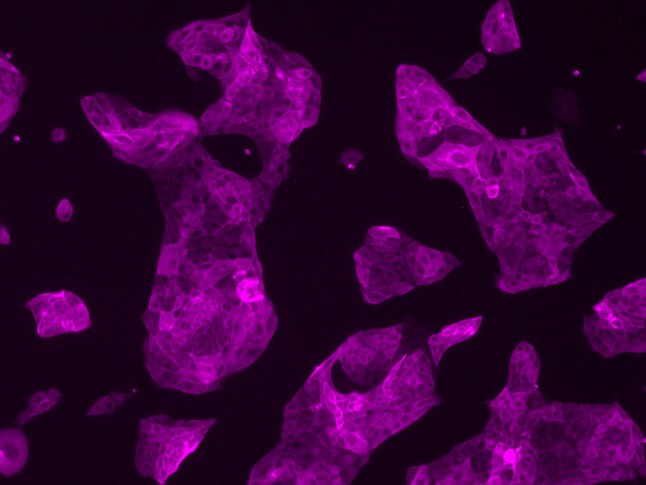
Image of naive hPSC-derived human TSCs stained with a KRT7 antibody by Chen Dong (Theunissen Lab).


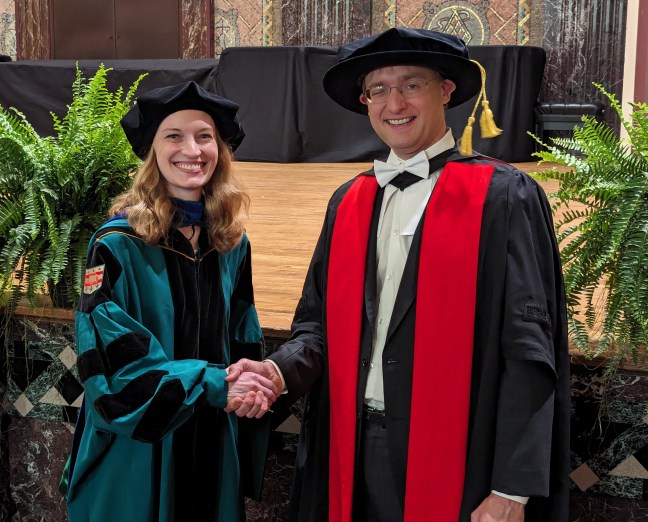
Welcoming our new postdoc: Dr. Regan Scott

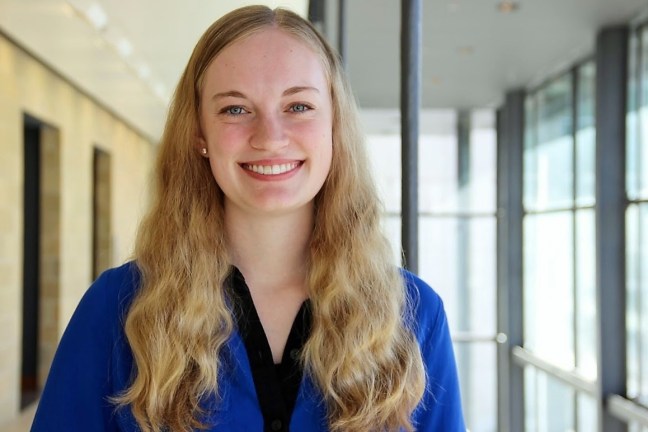
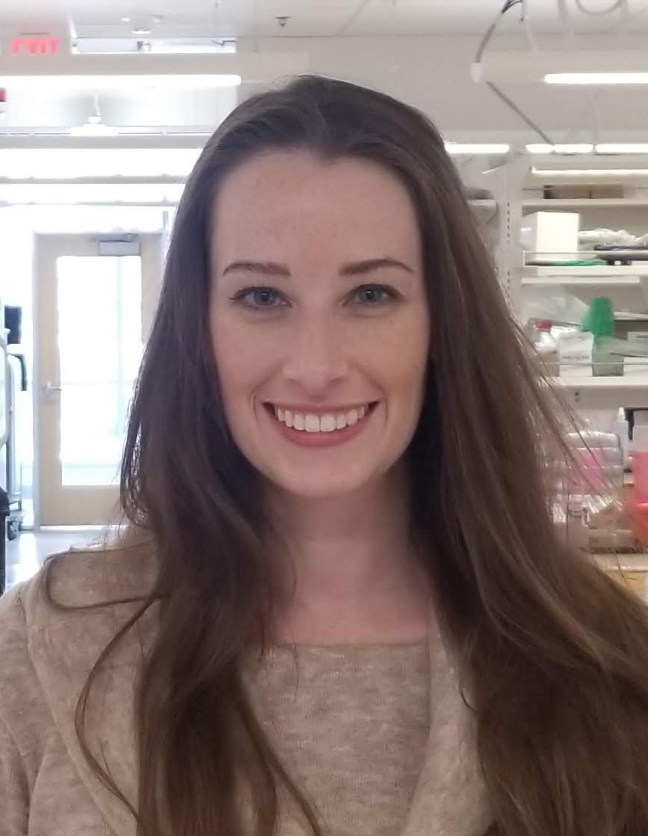
We’re pleased to announce the arrival of our new postdoc, Dr. Regan Scott, from the Michael J. Soares lab at Kansas University Medical Center. Regan received her B.S. from Kansas State University and M.S. in Biomedical Sciences from Kansas City University. During her graduate studies with Professor Soares, Regan studied placental development with a focus on trophoblast stem cell differentiation to the invasive lineage. After receiving her Ph.D. in 2025, she joined the Theunissen lab to continue advancing the field of stem cell and developmental biology. Regan is a strong advocate for scientific research and reproductive health, and in her spare time she enjoys baking, doing puzzles, being outdoors, and spending time with family, friends, and her pets.

Regan, welcome to the team!

Review article in CMLS

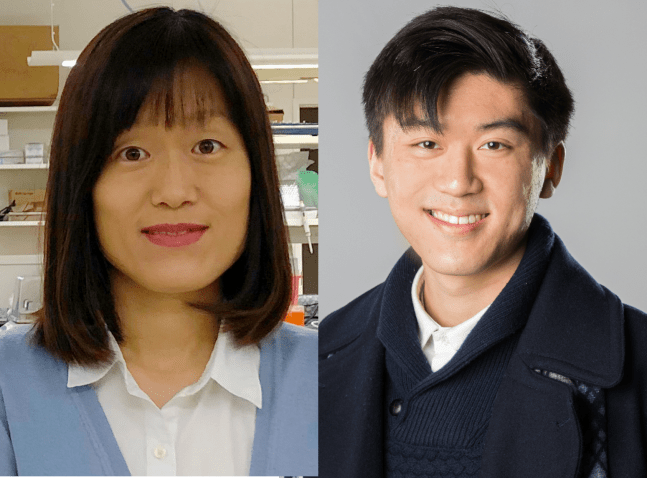
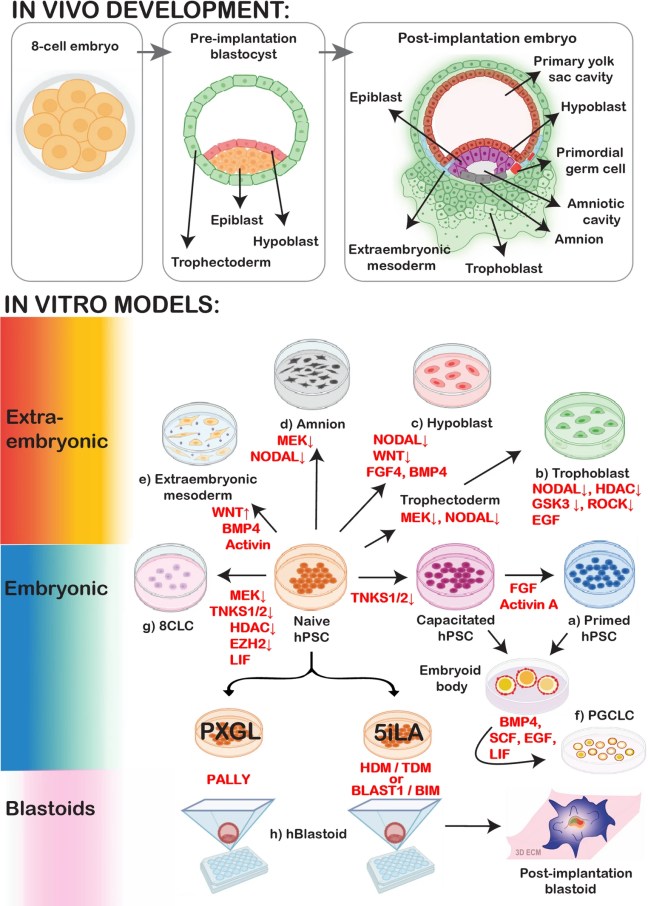
Together with Kyoung and Richard, we wrote a review article in Cellular and Molecule Life Sciences on the diverse repertoire of cell fates accessible to naive human pluripotent stem cells. When we first derived these cells over a decade ago, little did we know that they harbored such broad developmental potential and would ultimately become a cornerstone of human embryo models.

Check it out in CMLS: https://tinyurl.com/3td35h47

News & Views in Nature

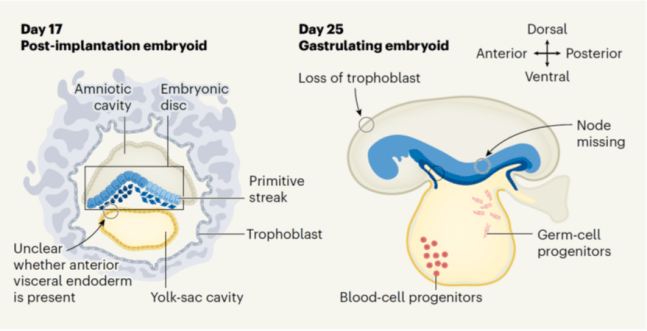
Kong and Thor wrote a News & Views in Nature on a groundbreaking stem-cell-based monkey embryo model that offers a continuous window on early primate development, from the pre-implantation stage all the way to late gastrulation, when the basic body plan is established and primitive organs start to form. This system offers a powerful in vitro platform for dissecting the dynamic, stepwise processes that define early embryogenesis.

Congratulations to Zhen Liu and colleagues at the Institute of Neuroscience (ION), Chinese Academy of Sciences, Shanghai for their remarkable achievement.

Take a look at our News & Views using the following link: bit.ly/4iGpuj6.

The original study from Zhen Liu”s lab: bit.ly/4pMt8Kl

Preview in Cell Stem Cell

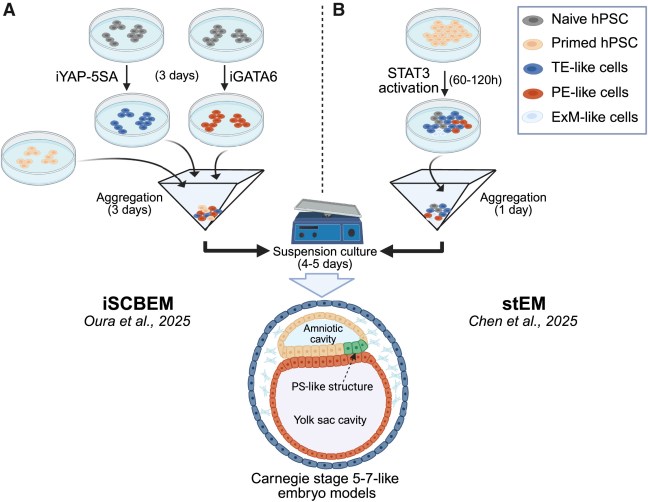
Kong and Thor wrote a Preview on two exciting new papers from the labs of Jose Silva (Guangzhou) and Jun Wu (UT Southwestern) in the October 2025 issue of Cell Stem Cell. In this piece, we discuss how they independently developed refined strategies to assemble human post-implantation embryo models with greater accuracy and efficiency.

Take a look at our Preview using the following link: https://lnkd.in/gZWa67WK

The original study from Jose Silva’s lab: https://tinyurl.com/ymt6nya7

The original study from Jun Wu’s lab: https://tinyurl.com/5hu7z2k8